The chancho blanco and aluminium: a tree made for worn-out soils
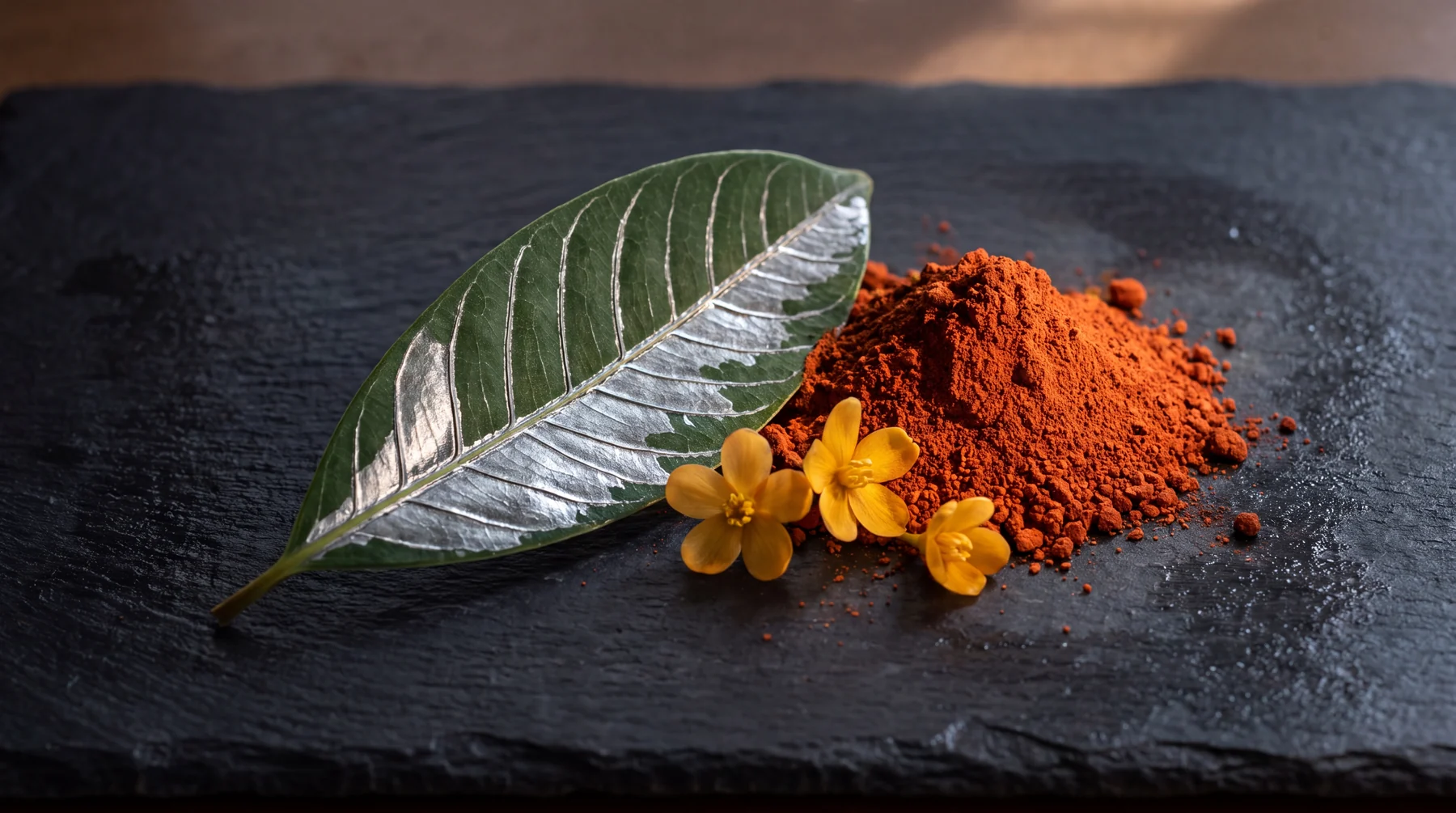
Its leaves hold more aluminium than almost any other plant could tolerate. That chemical oddity has made it an ally for reforesting the acid soils of Costa Rica's Caribbean lowlands and northern zone.
A metal hidden in the soil
Aluminium is one of the most abundant elements in the Earth's crust, but it is almost always locked in minerals that do plants no harm. When soil becomes very acid, those minerals dissolve and release aluminium in its ionic form, Al³⁺, which is toxic.
The first damage happens at the root tips, the most sensitive part of the root: aluminium stops their growth and injures their cells. A root that cannot grow cannot reach water or nutrients, and the plant stays small. Acid soils cover about 30% of the planet's ice-free land and are widespread in the humid tropics, where constant rain washes nutrients away.
Leaves loaded with aluminium
Vochysia guatemalensis does the opposite of what you would expect: instead of avoiding aluminium, it accumulates it. A study published in 2016 analysed trees aged 2 to 21 years in thirteen plantations in Costa Rica's Caribbean lowlands and measured between 21,297 and 28,826 mg of aluminium per kilogram in their leaves.
To put that in perspective: in plants that do not accumulate aluminium, concentrations usually stay below 1,000 mg per kilogram. The chancho blanco holds twenty to thirty times more and still grows normally. The authors propose it for timber production precisely where other species fail: on very acid, degraded soils, often on small farms.
A family trait
It is not an isolated oddity. A 2002 review found aluminium accumulation in some 45 families of flowering plants, and in a smaller group, which includes Vochysiaceae, the trait characterises almost the whole family. Researchers call plants accumulators when they concentrate more than 1,000 ppm of aluminium in their above-ground parts.
Everything suggests the mechanism comes from the plant itself, not just the soil. In 2019, two Brazilian species of Qualea, in the same family, kept accumulating aluminium even when growing on a calcareous soil, where the metal is far less available. The aluminium was deposited mainly in the leaf blade, in granules inside the cells of the epidermis.
From pasture to plantation
That tolerance has practical consequences. In Costa Rica's Atlantic lowlands, a 2003 study compared 210 plantations aged 6 to 11 years on 123 farms. Vochysia guatemalensis grew an average of 2.59 cm in diameter per year, tied for first place with gmelina, an exotic species. The authors named it one of the two most promising native species for reforestation because of its growth, good form and adaptability to different sites.
Its biology helps: it is a pioneer that grows in full sun, germinates easily and produces a light wood used for rural construction, mouldings and simple furniture. On degraded pastures in the northern zone and the Caribbean, that makes it a way to bring shade, roots and timber back to soils that grazing left worn out.
The individual in this gallery, with its straight bole and lichen-speckled bark, shows what that promise becomes over the years: an adult tree on a soil that, for many other species, would have been a limit.
Sources and further reading
Original synthesis based on the following publications.
- Brunner y Sperisen (2013) · Aluminum exclusion and aluminum tolerance in woody plants
- Camacho, Alvarado y Fernández-Moya (2016) · Vochysia guatemalensis, an alternative species for reforestation on acid tropical soils
- Jansen et al. (2002) · Aluminum hyperaccumulation in angiosperms: a review of its phylogenetic significance
- Nogueira et al. (2019) · Aluminum-accumulating Vochysiaceae species growing on a calcareous soil in Brazil
- Piotto, Montagnini, Ugalde y Kanninen (2003) · Performance of forest plantations in small and medium-sized farms in the Atlantic lowlands of Costa Rica
- El Mundo Forestal · El chancho blanco