
Dendrological library
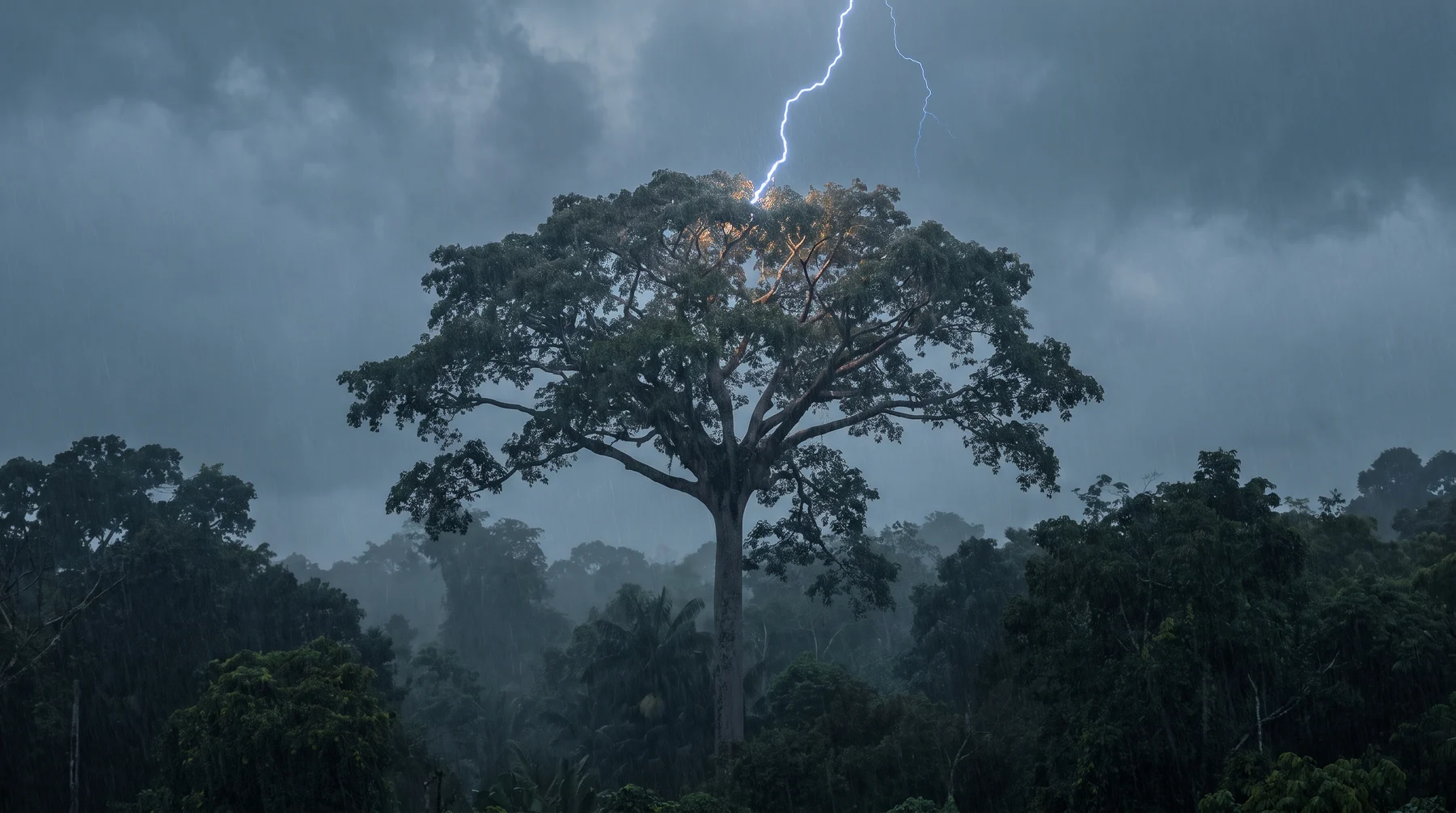 Mountain almond · Canopy ecology
The almendro and lightning: how a storm can favour a giant
Electrical resistance, competition from lianas and the importance of old almendros for the great green macaw.
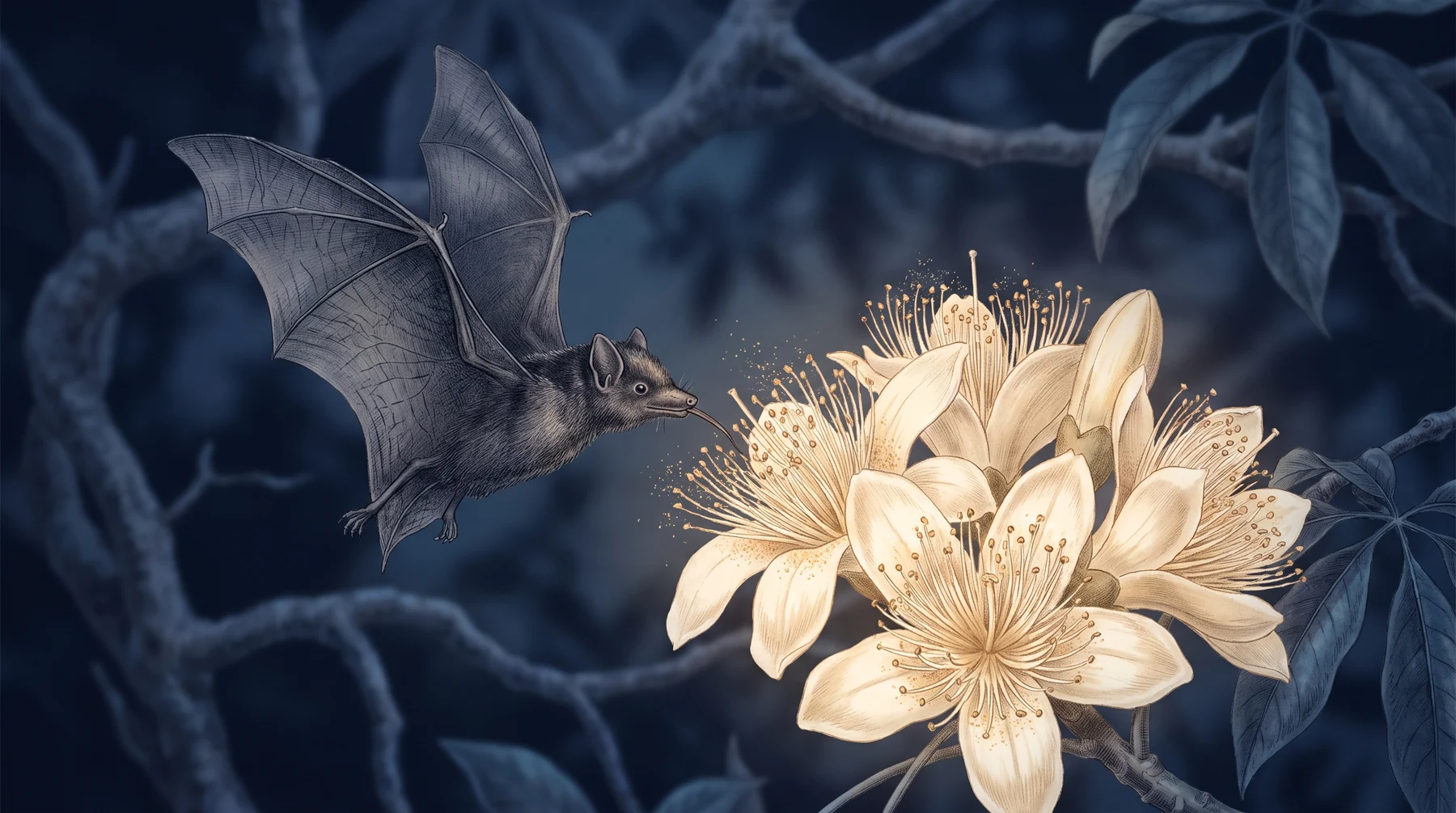 Ceiba · Pollination
The ceiba after sunset: a forest connected by bats
Night-opening flowers, pollen crossing the landscape and wind-borne seeds: ceiba reproduction in Costa Rica.
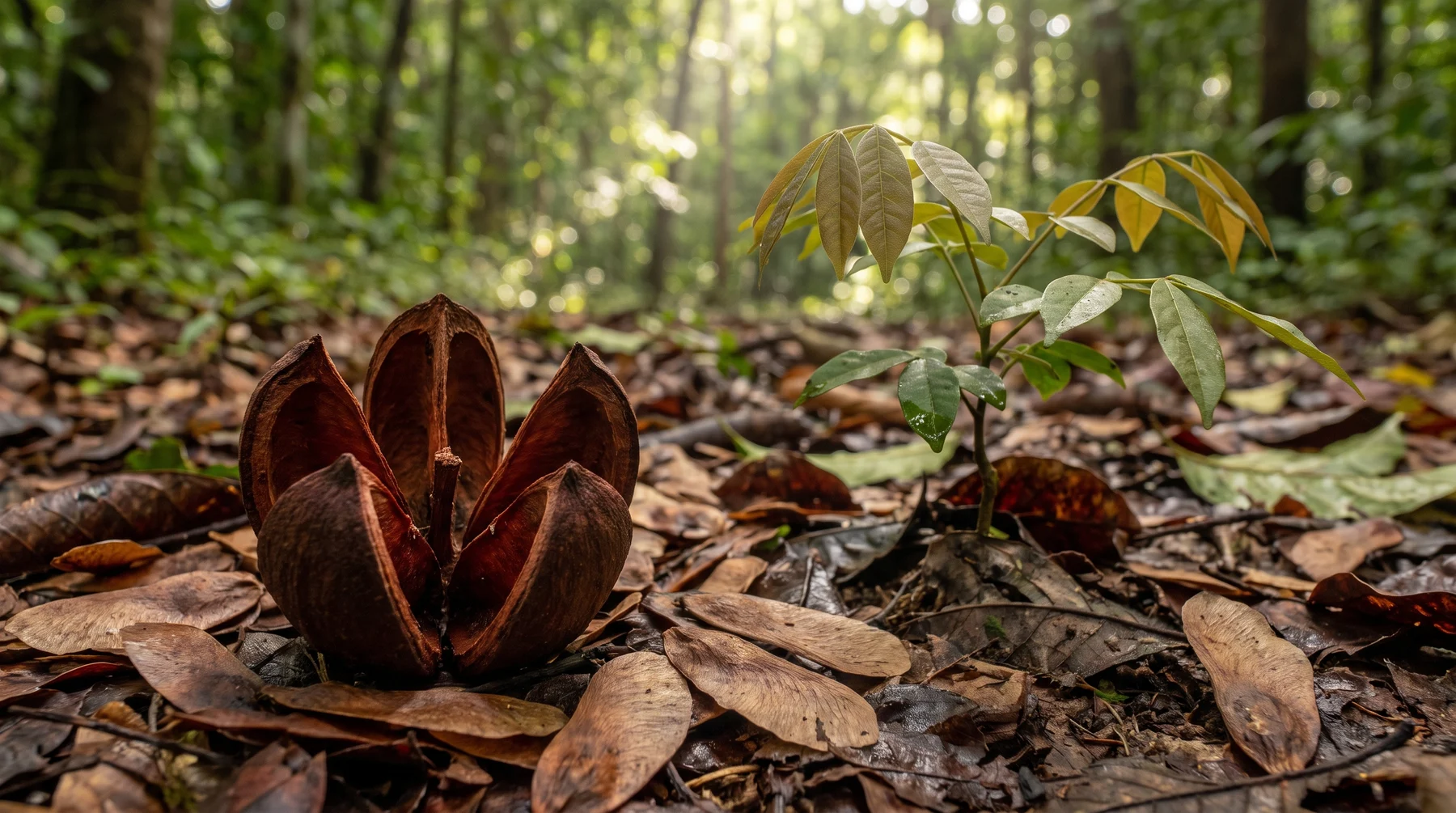 Mahogany · Regeneration and diversity
Mahogany before it becomes timber
Winged seeds, light and a small shoot borer: the story of Swietenia macrophylla begins long before a harvestable trunk.
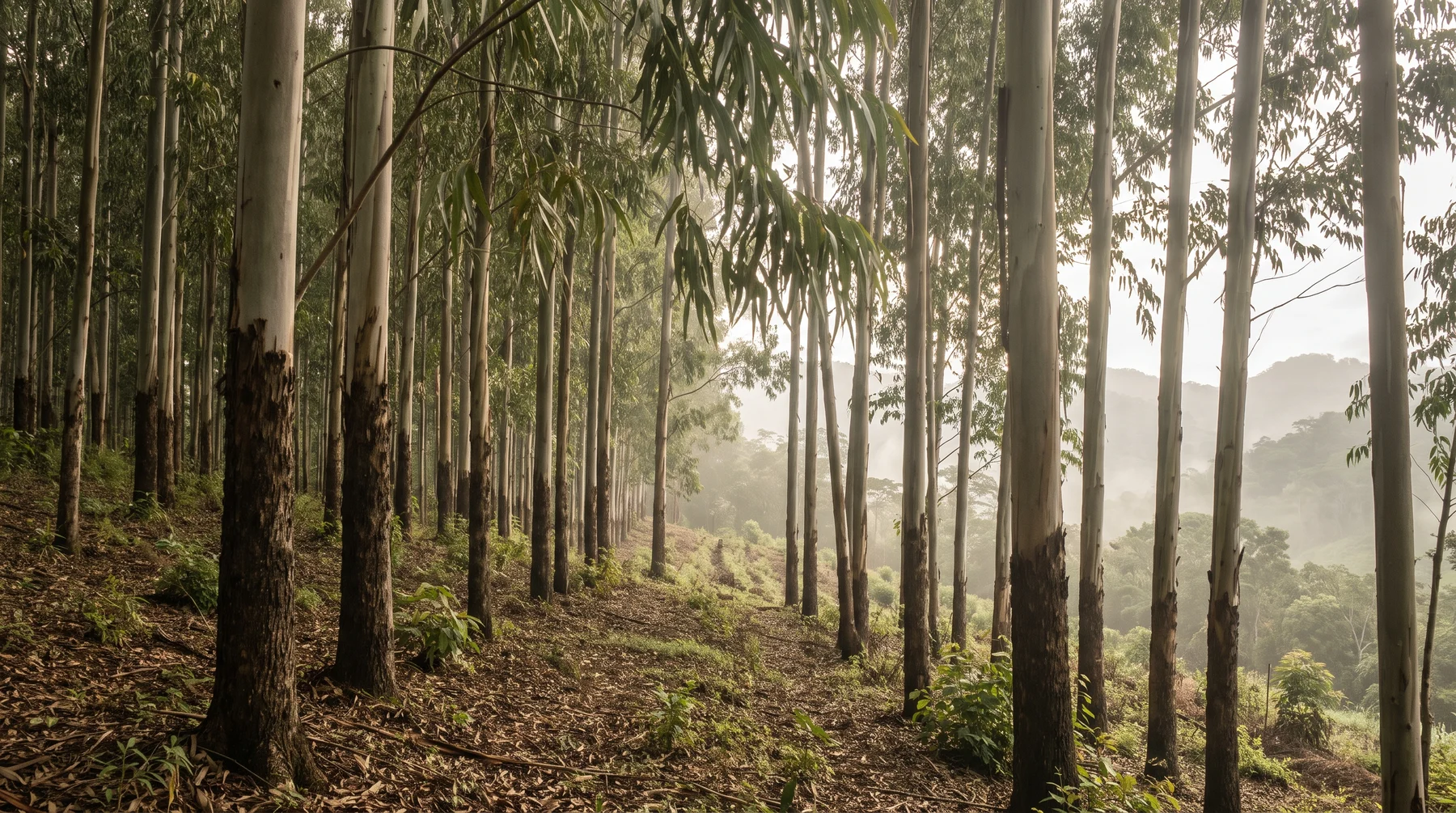 Eucalyptus · Landscape and water
A eucalyptus stand is not a forest
Eucalyptus grandis invites a careful reading of plantations: origins, management and water matter as much as tree height.
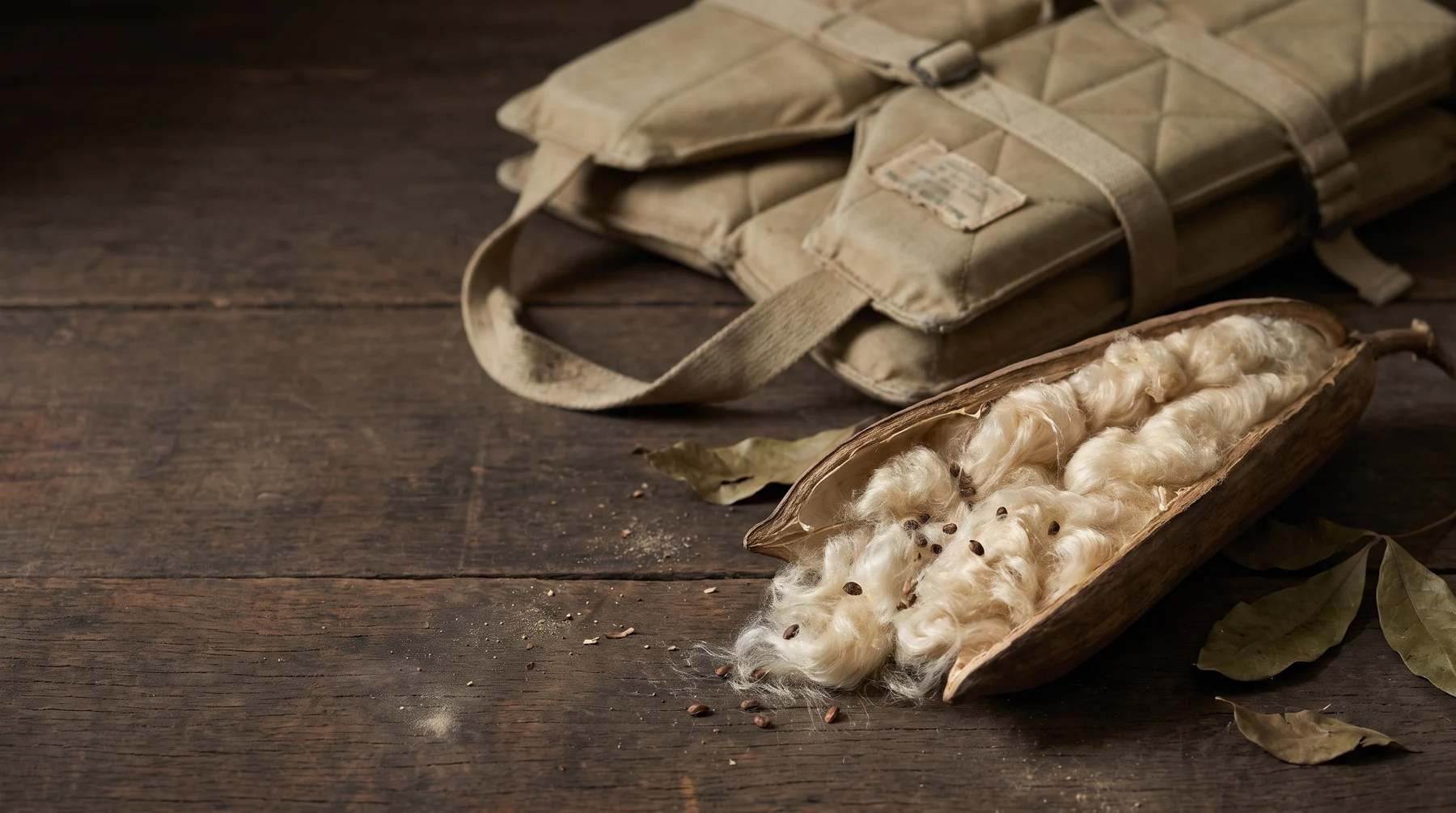 Ceiba · Material history
Before synthetic foam, there was the ceiba
Fiber from its fruits kept aircrews and sailors afloat long before synthetic foams came to dominate life jackets.
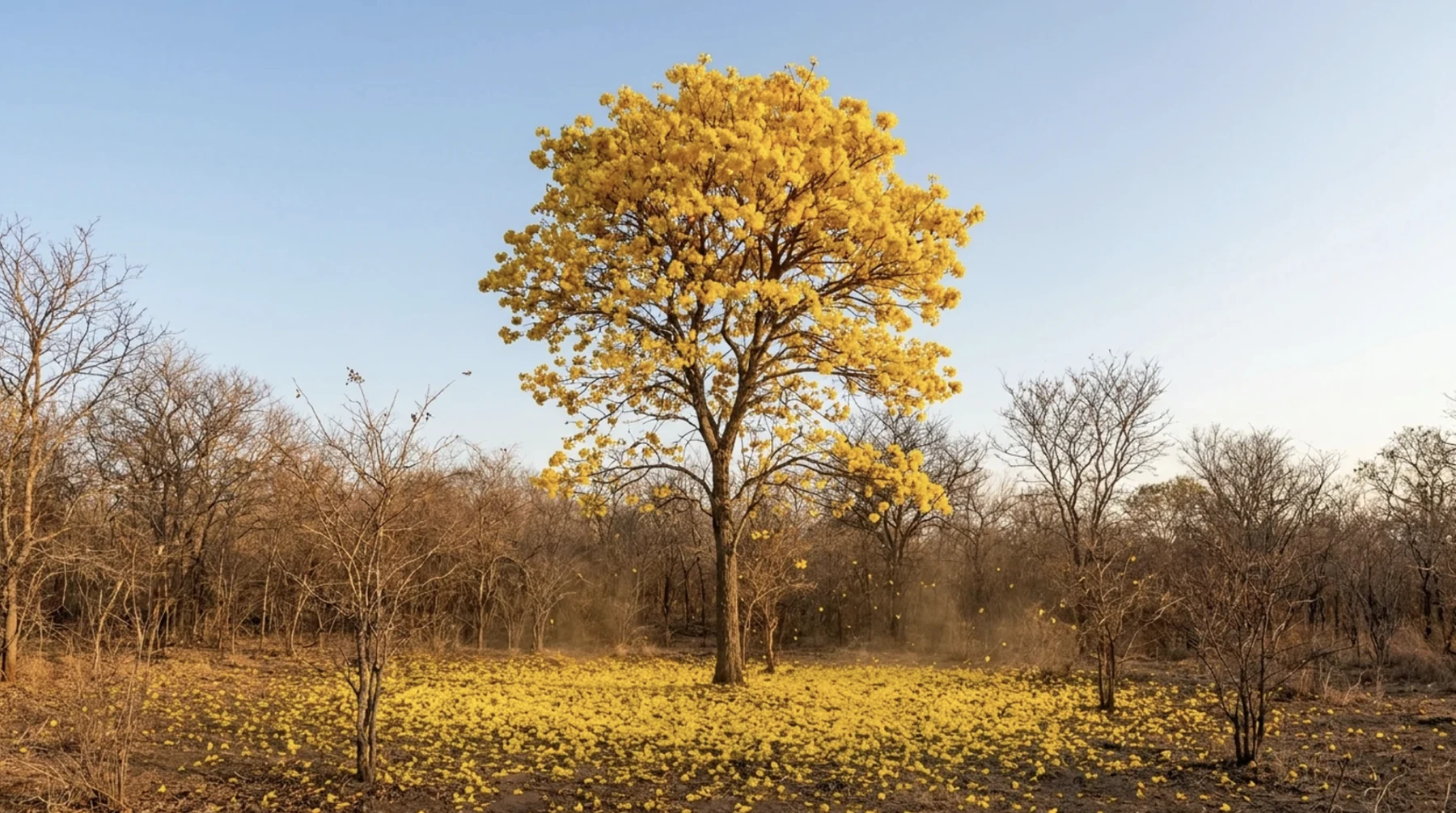 Yellow cortez · Phenology
Five golden days: the yellow cortez and the dry-forest clock
It spends months without leaves, waiting for a signal. When the signal comes, it blooms within days, and each flower lasts only one.
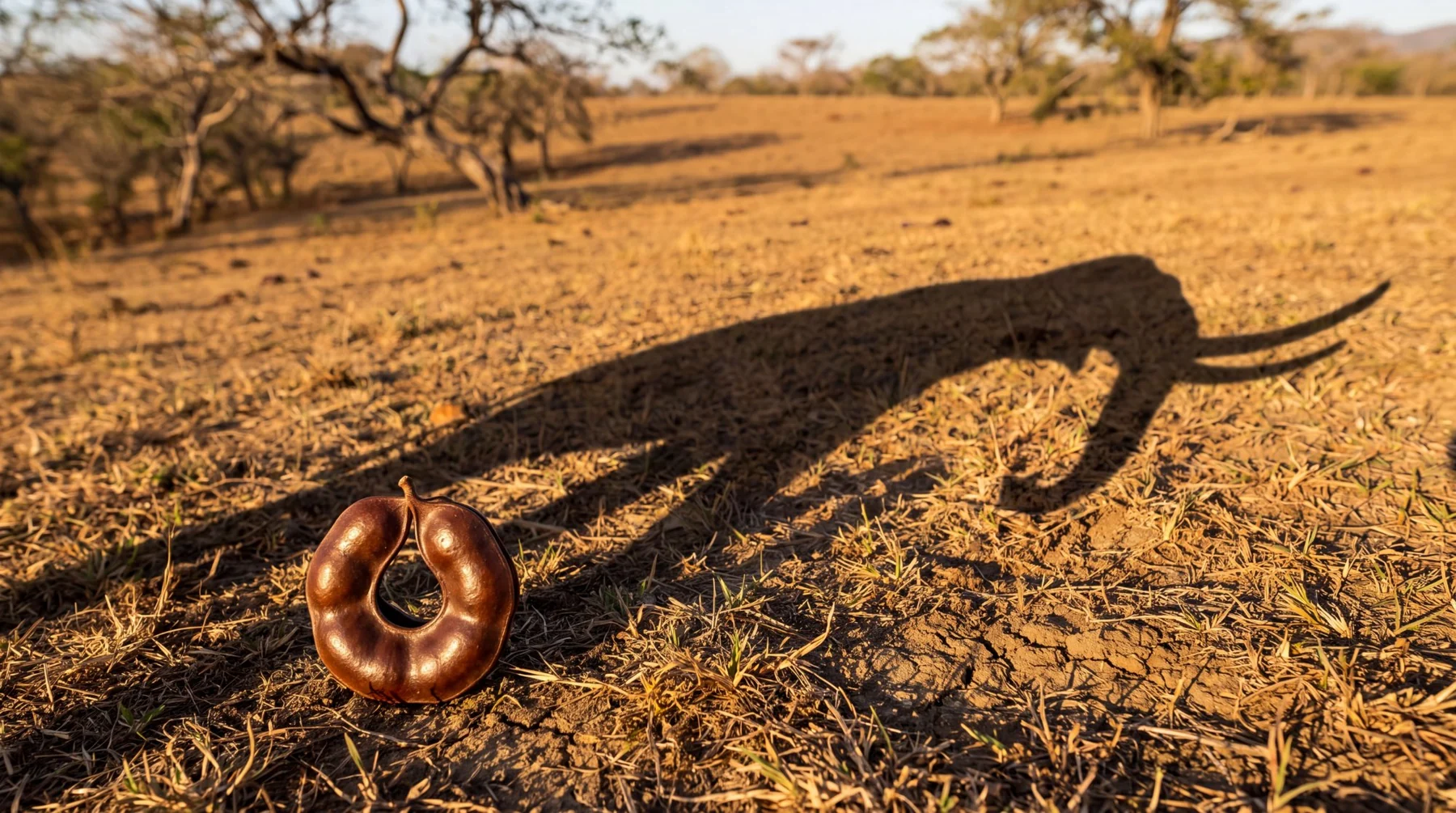 Guanacaste · Seed dispersal
The pods that were waiting for an extinct giant
The curled fruit of Costa Rica's national tree seems made for animals that vanished thousands of years ago. Today, horses and cattle fill only part of that gap.
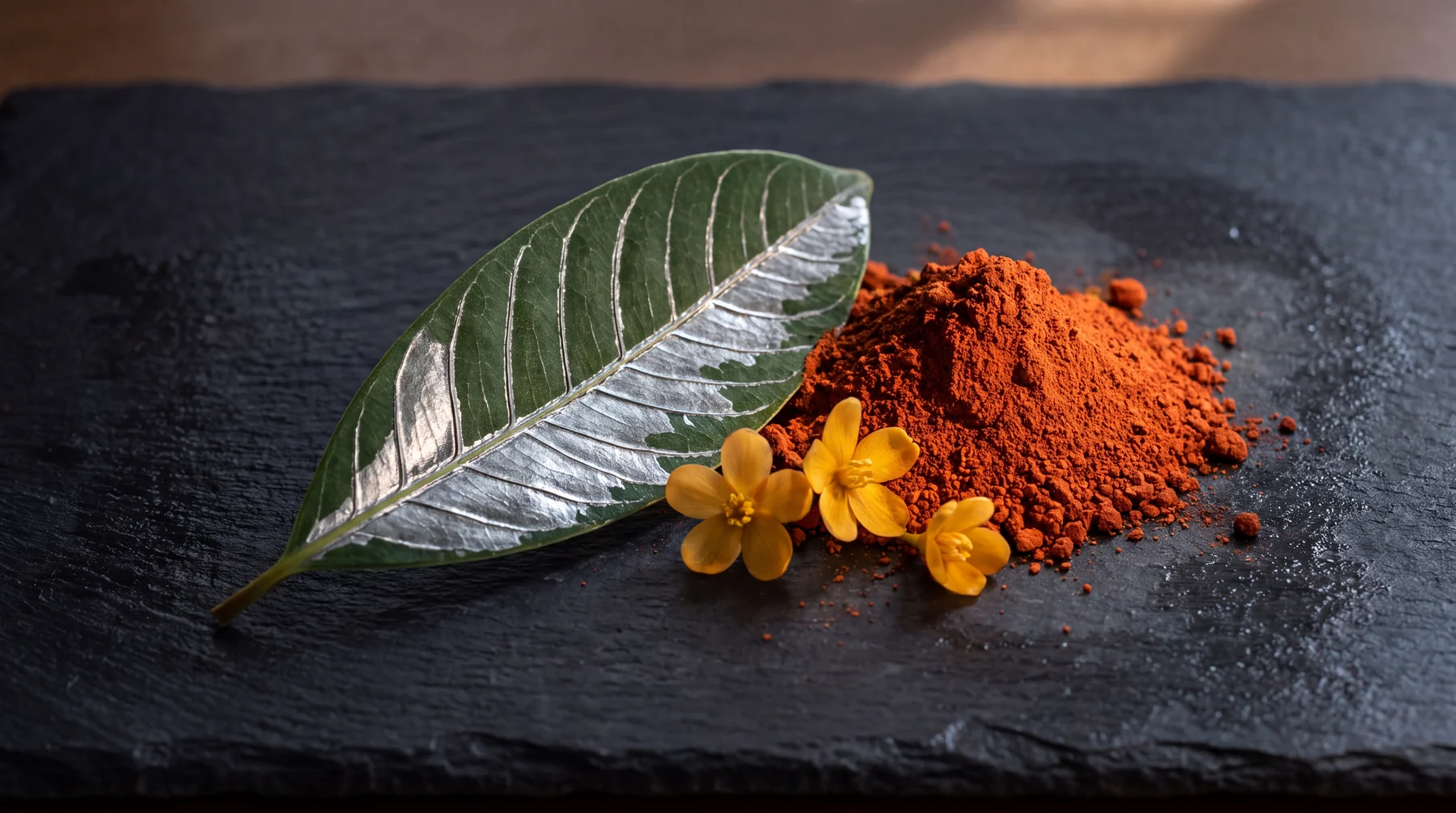 Chancho blanco · Soils and restoration
The chancho blanco and aluminium: a tree made for worn-out soils
Its leaves hold more aluminium than almost any other plant could tolerate. That chemical oddity has made it an ally for reforesting the acid soils of Costa Rica's Caribbean lowlands and northern zone.
 Olla de mono · Fruits and dispersal
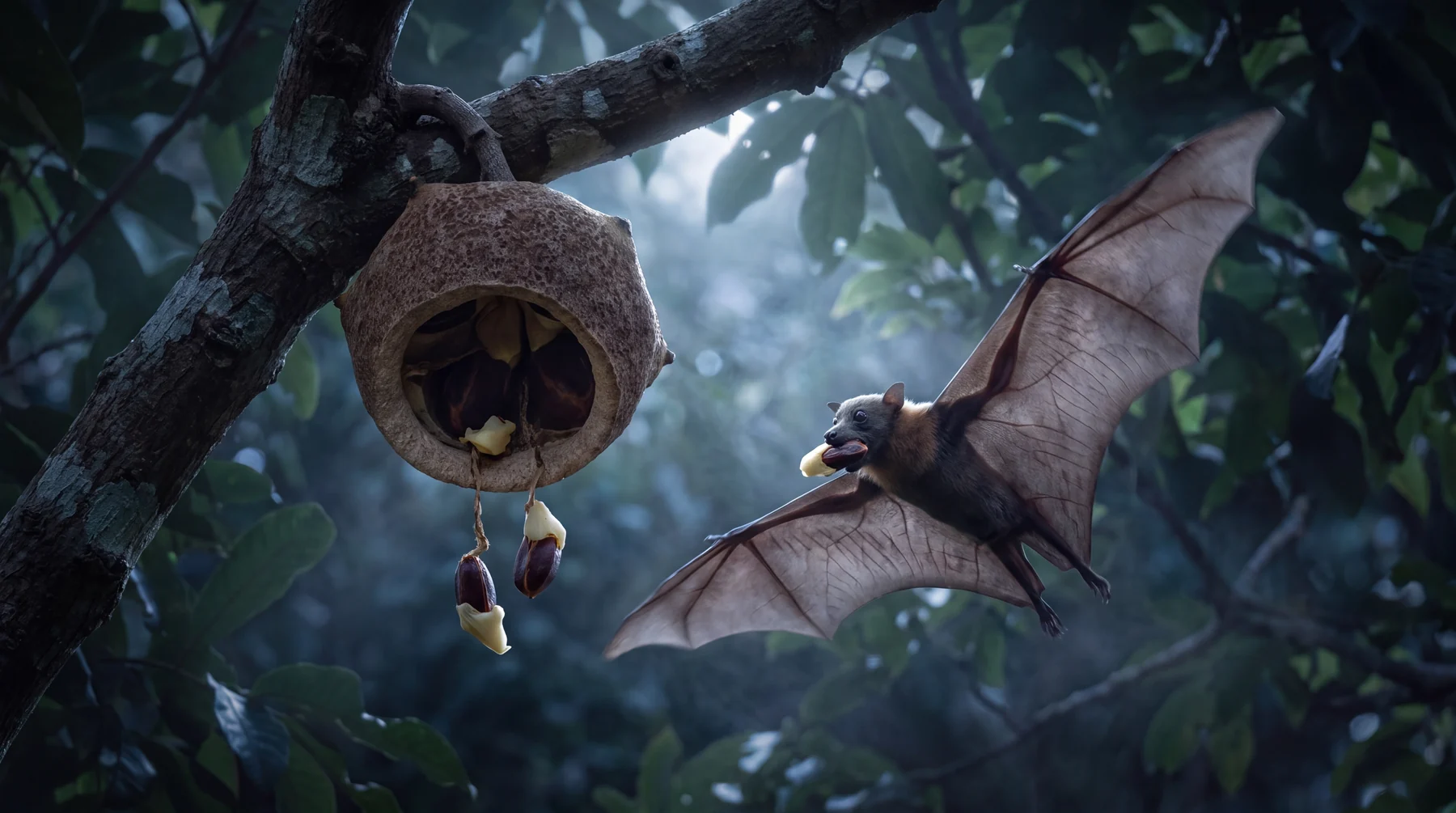
The monkey pot: a lidded fruit and a feast for bats
It takes almost a year to ripen, opens like an uncovered pot and offers its seeds to the animals of the night. This is how a threatened giant of northern Caribbean Costa Rica reproduces.
 Olla de mono · Pollination
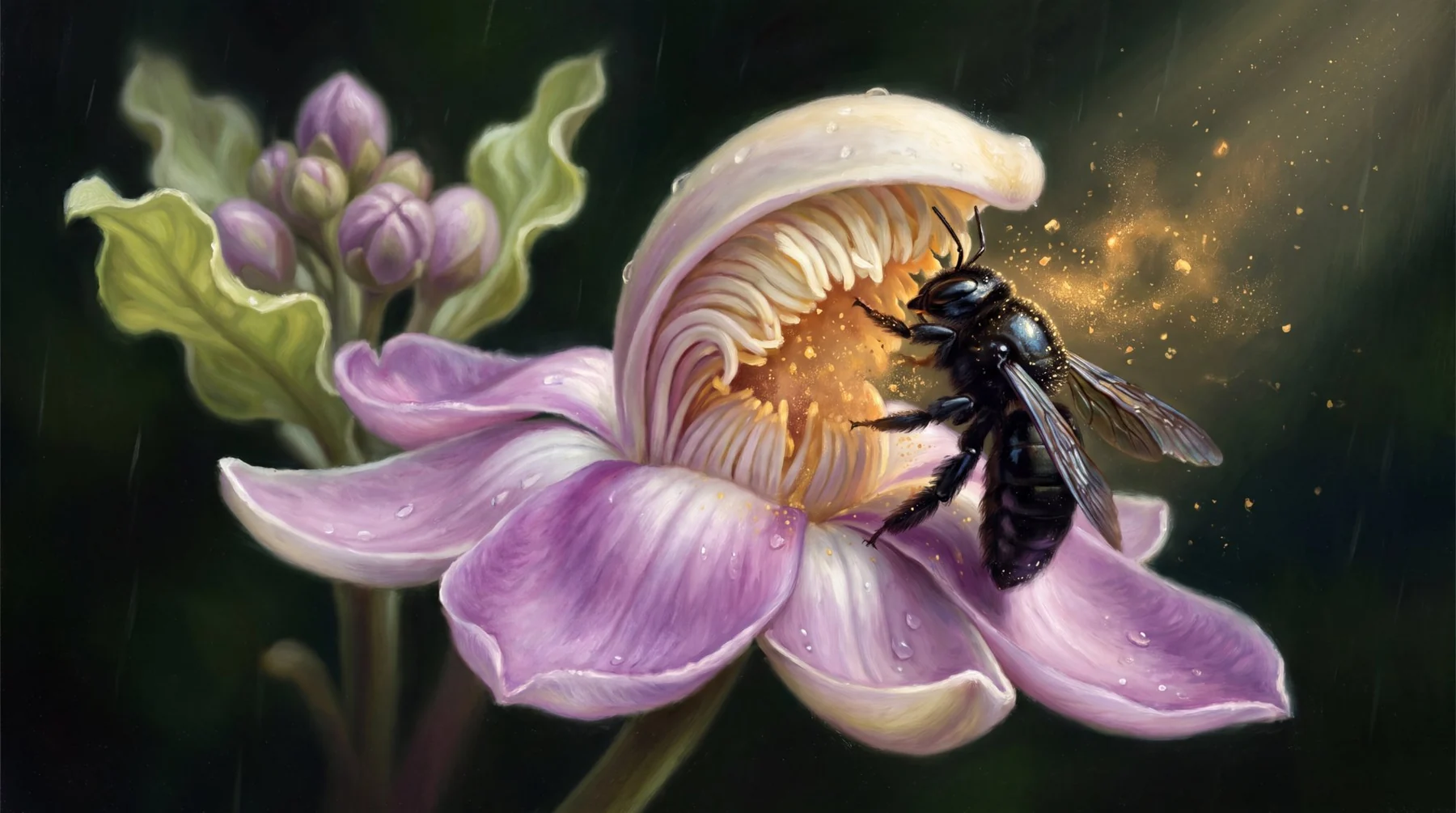
A hooded flower: the monkey pot's pollen chest
Its lilac flowers hide the stamens under a curved lid that only large bees can push open. Inside, a pollen waits that exists to be eaten.
 General article · Canopy ecology
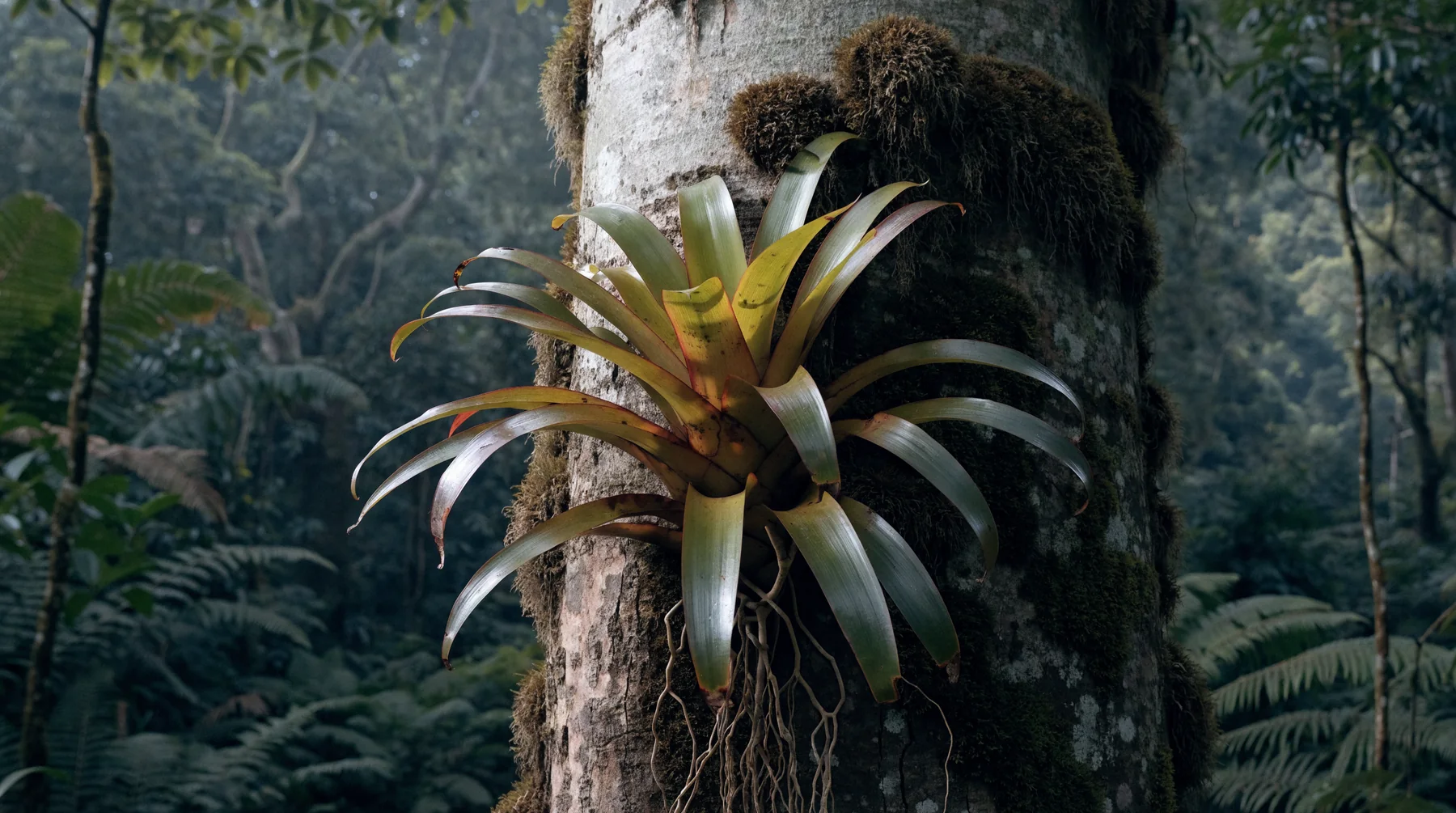
A forest within a tree
On a branch or halfway up a trunk, another landscape can begin: the world of epiphytes.
 General article · Tree identification
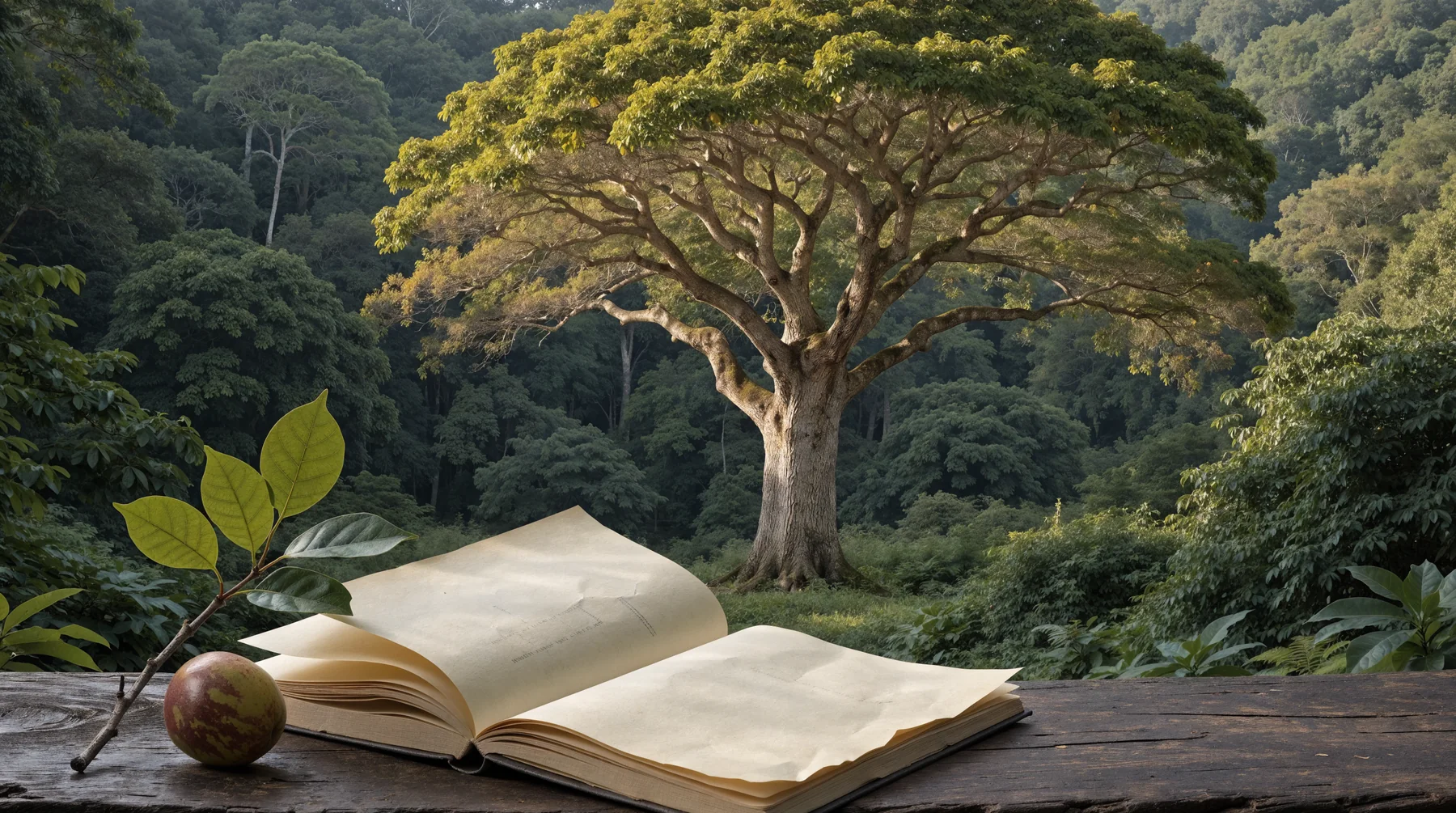
One photograph is not enough: the story behind a tree’s name
Naming a tree means gathering clues, acknowledging limits and leaving room for correction.
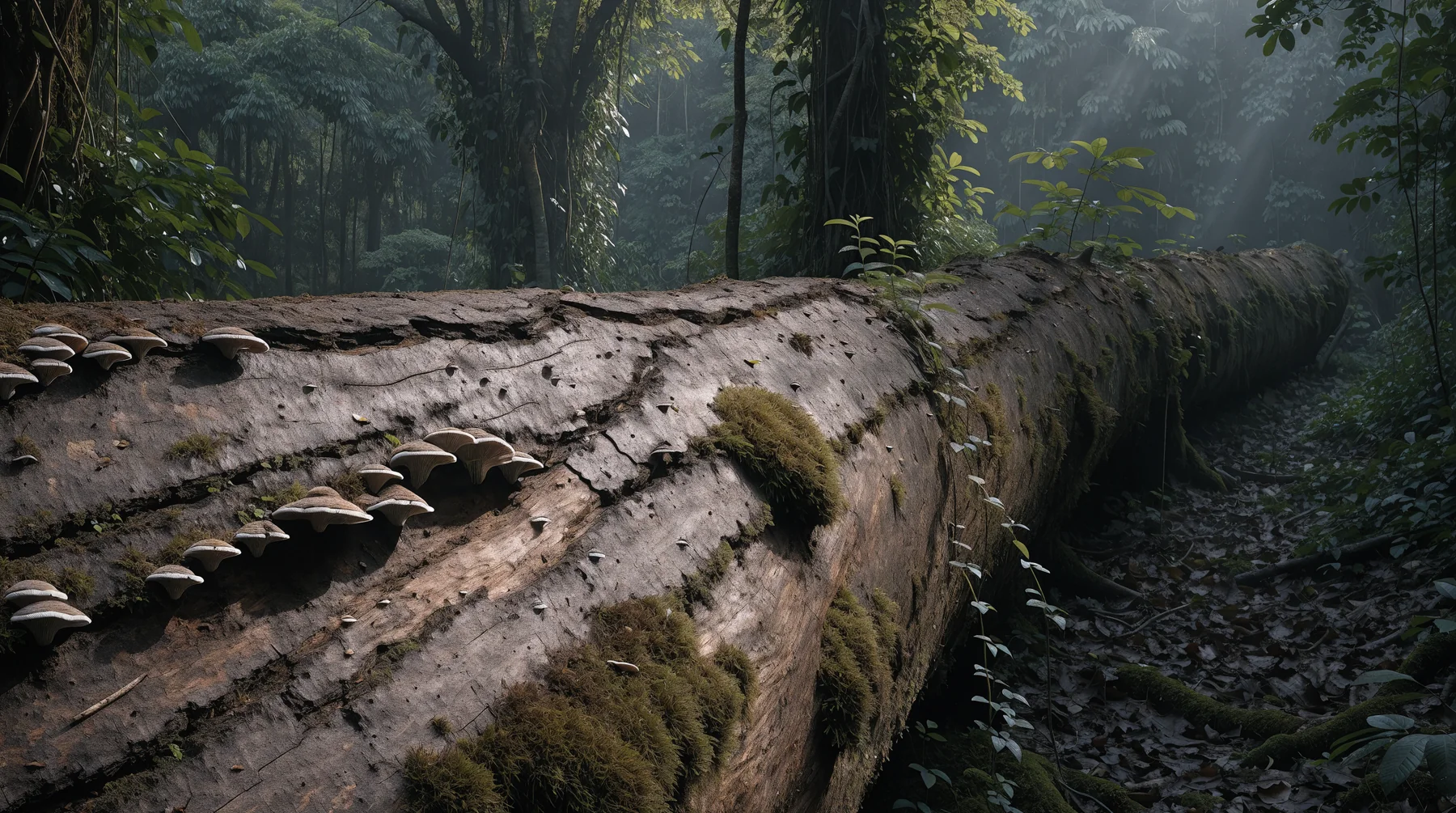 General article · Decomposition and biodiversity
When a tree falls, the forest continues
Fallen wood is not the end of a tree: it is the beginning of other ways to inhabit a forest.
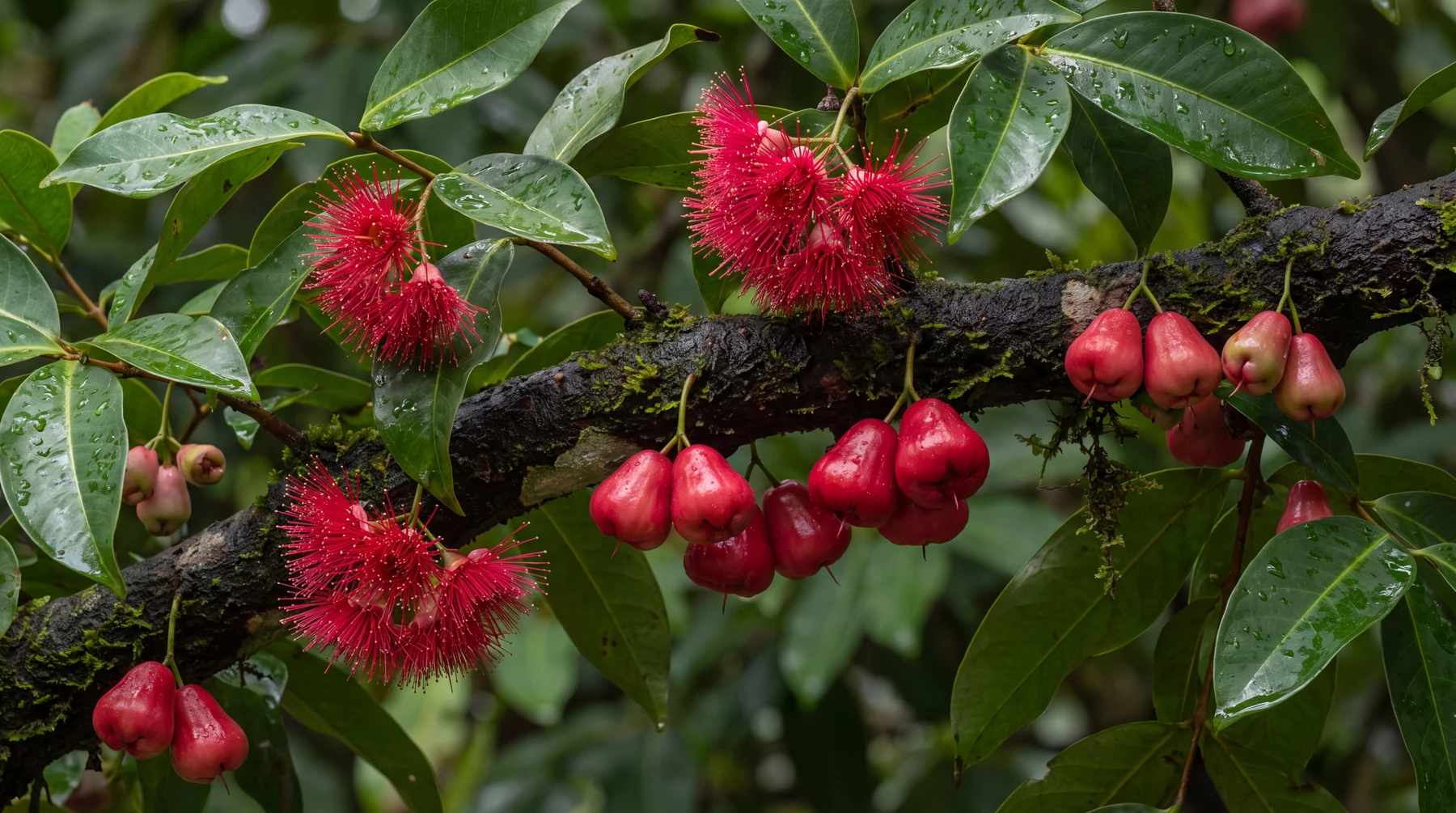 Malay apple · Botany and food
Malay apple: a flower born from old wood
Its flowers emerge from mature branches; its fruits tell a story of travel, human selection, and chemistry concentrated in the skin.
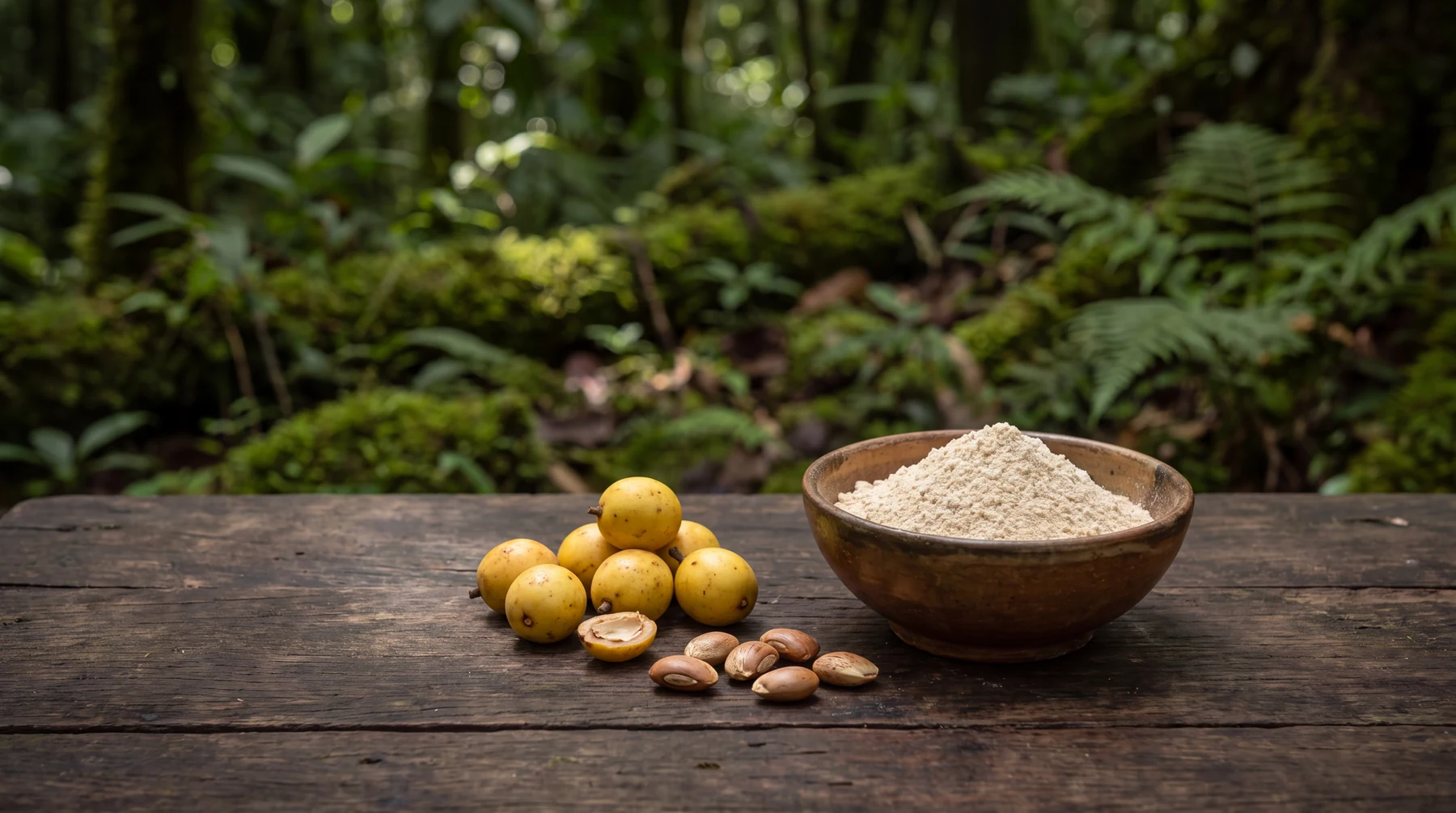 Juvenile breadnut · Forest and food
Ojoche: the seed that holds a food memory
From Maya home gardens to flour today, ojoche shows that food security can also grow on a living tree.
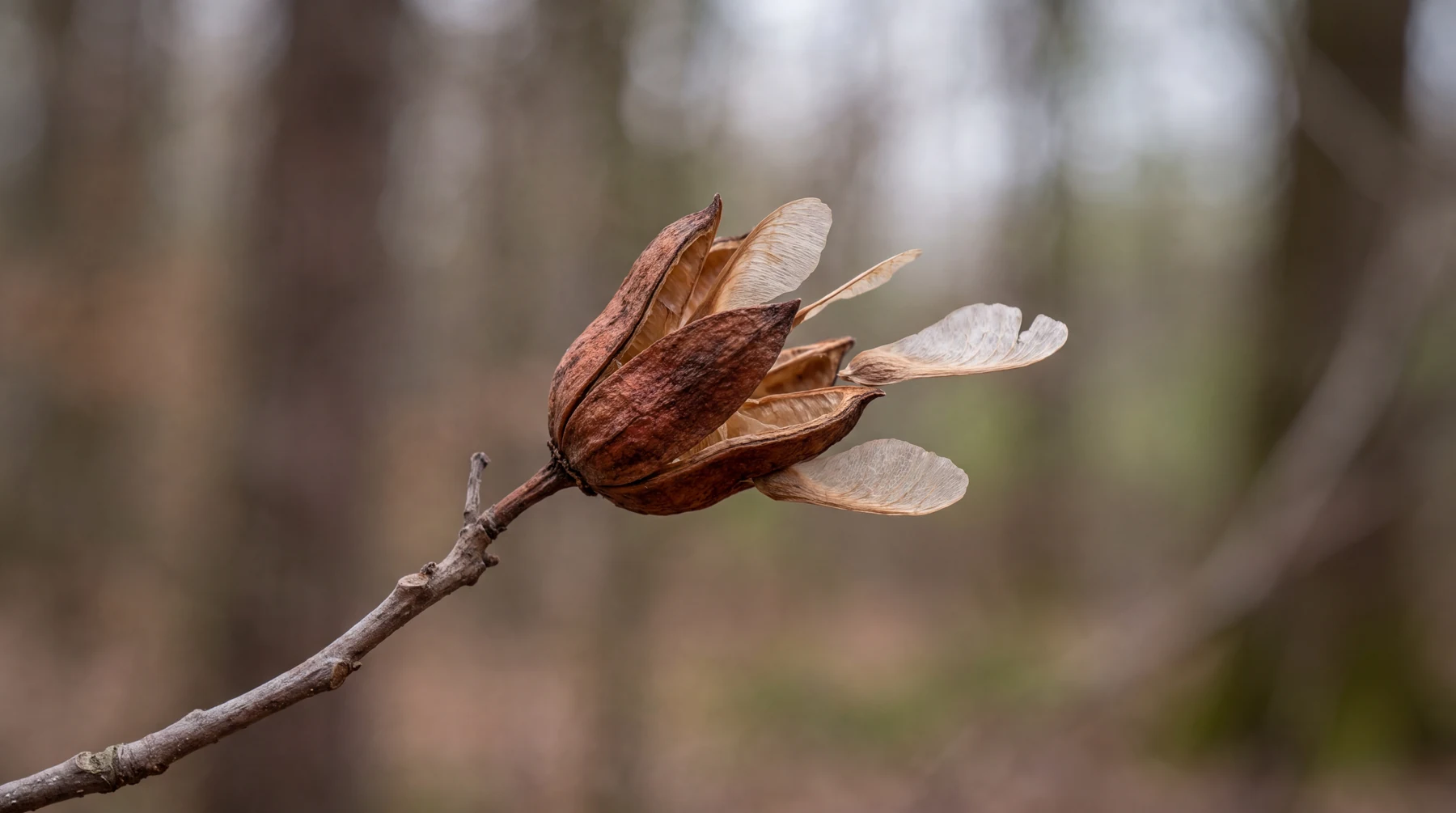 Juvenile Spanish cedar · Growth and conservation
Spanish cedar: a tree’s future begins in a bud
A tiny moth can change the architecture of a young cedar; an open capsule gives the wind dozens of possibilities.